Letter A Tracing Worksheets for Preschool and Kindergarten
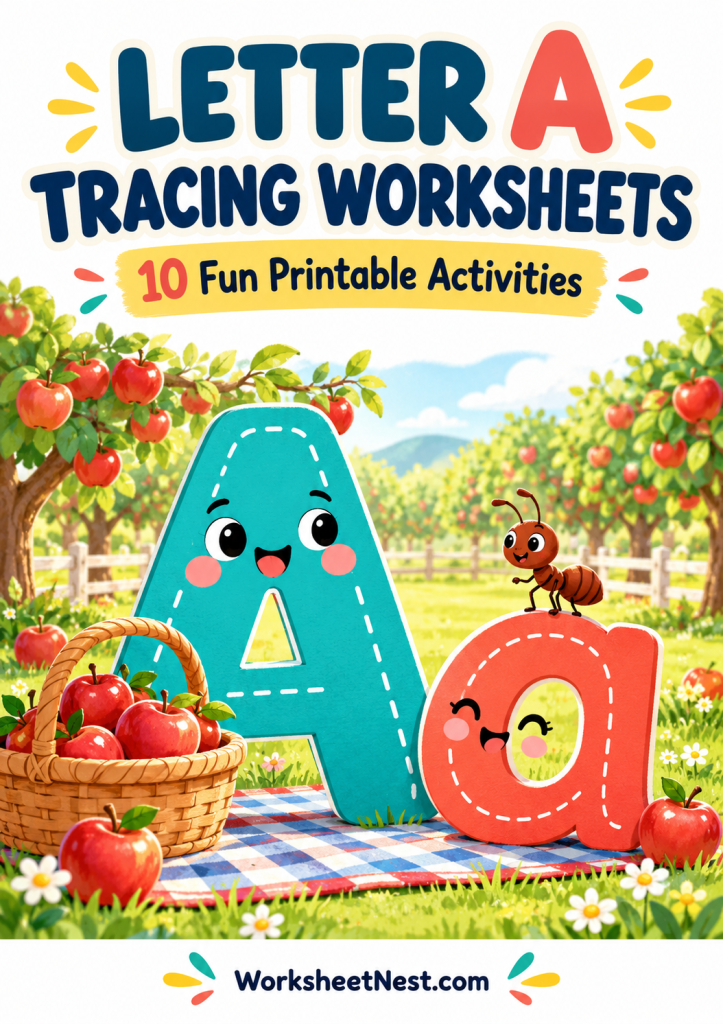
These letter A tracing worksheets give children several ways to get to know capital A and lowercase a. The collection includes ten black-and-white activity pages and a separate colorful cover. Children can color letter outlines, find A and a among other letters, follow formation models, trace dotted letters, and try writing on their own. Choose a page that matches what your child needs today. A learner who is still noticing letter shapes can begin with coloring or a letter hunt. A child who recognizes both forms can move to tracing and independent writing. You do not need to finish the whole collection in one sitting.Choose a Letter to Practice
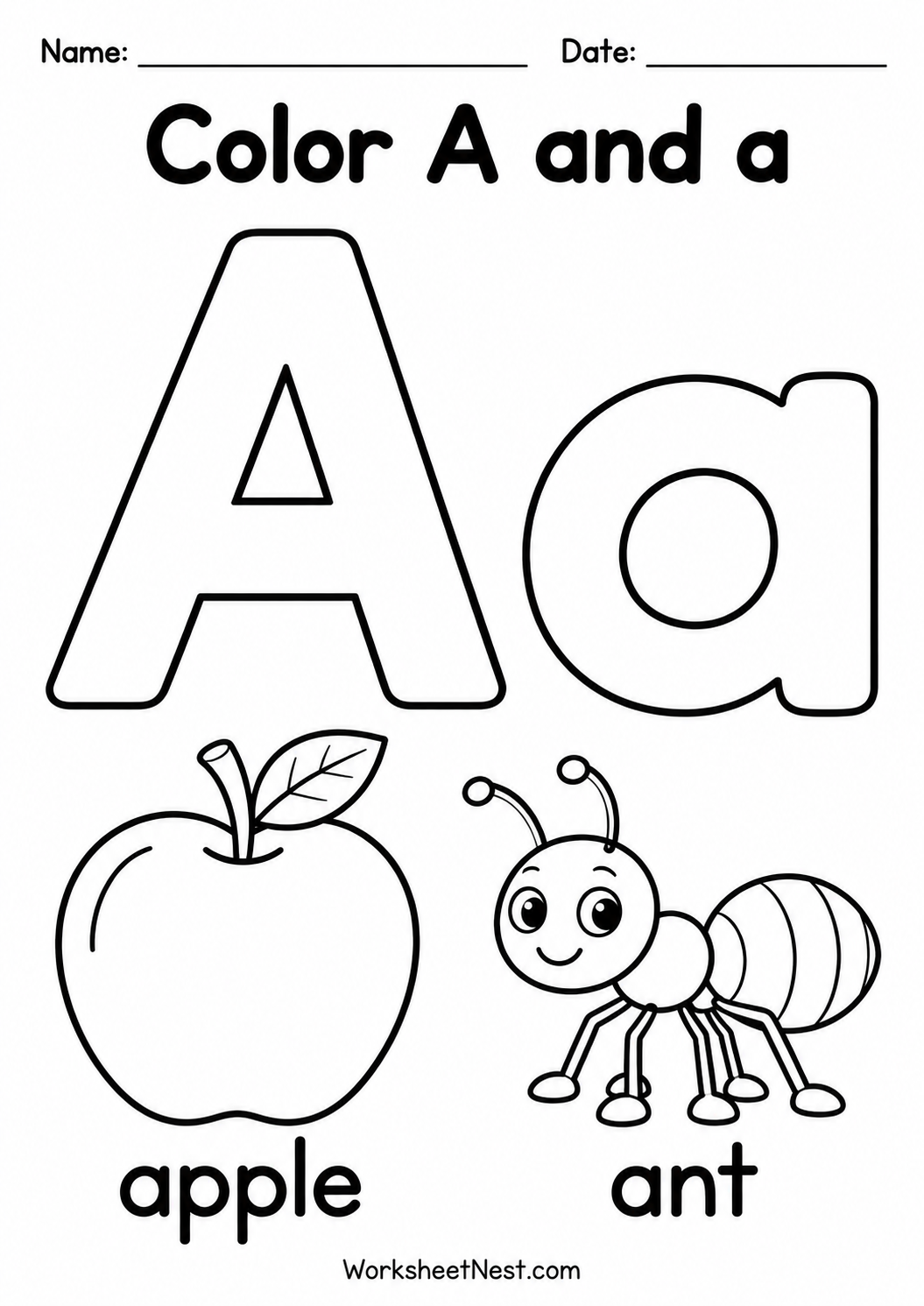
Worksheet 1: Color A and a
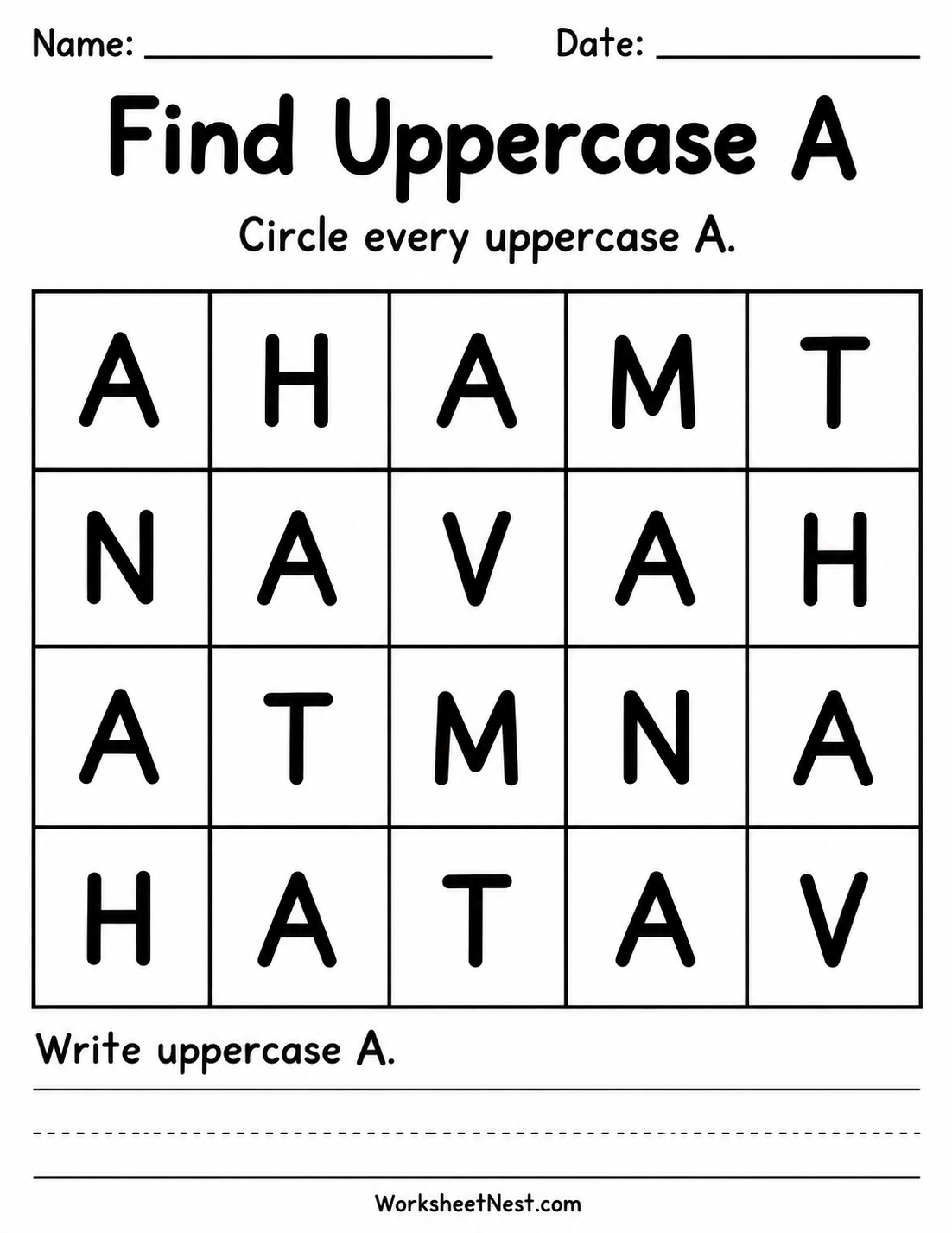
Worksheet 2: Find Uppercase A
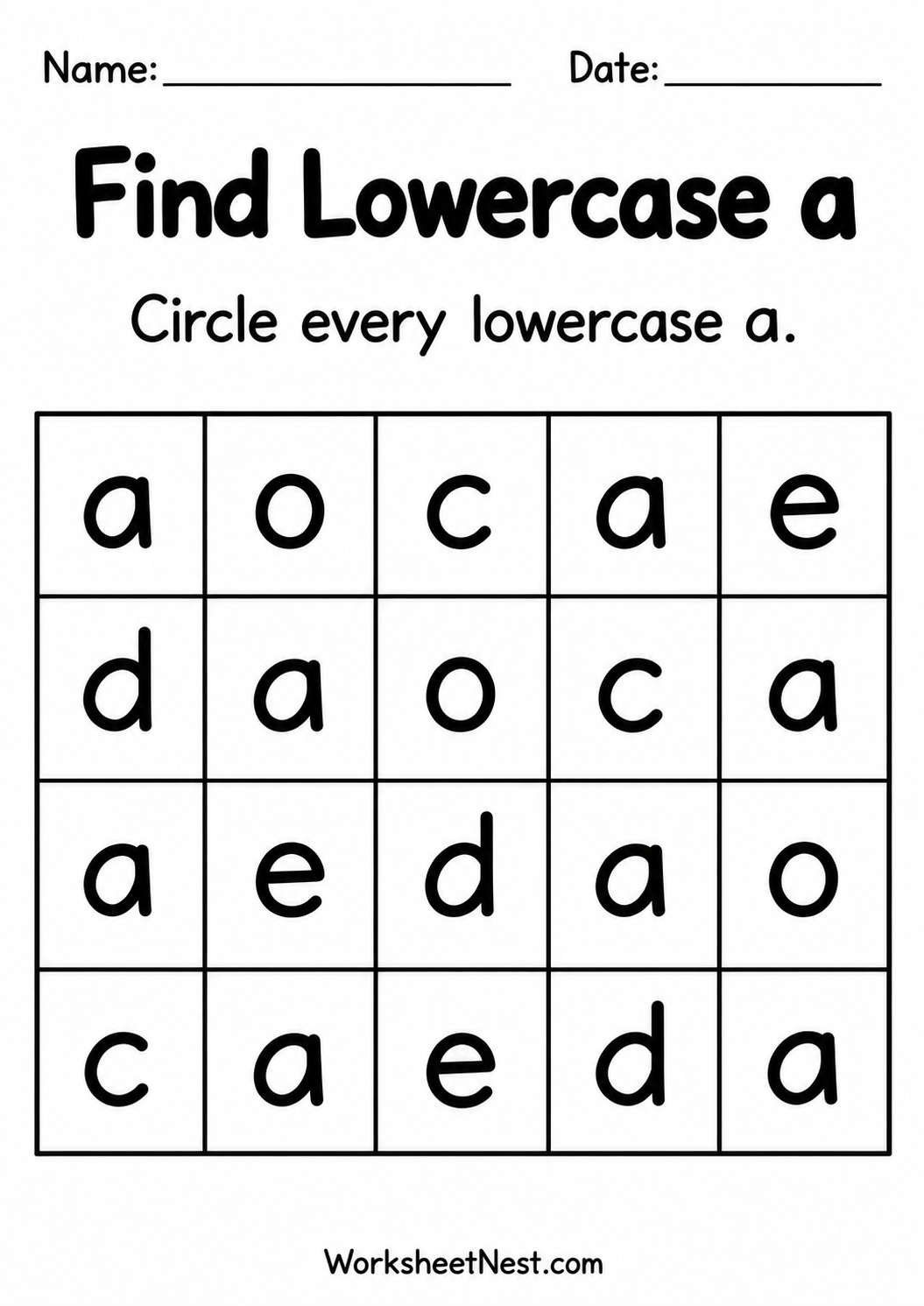
Worksheet 3: Find Lowercase a
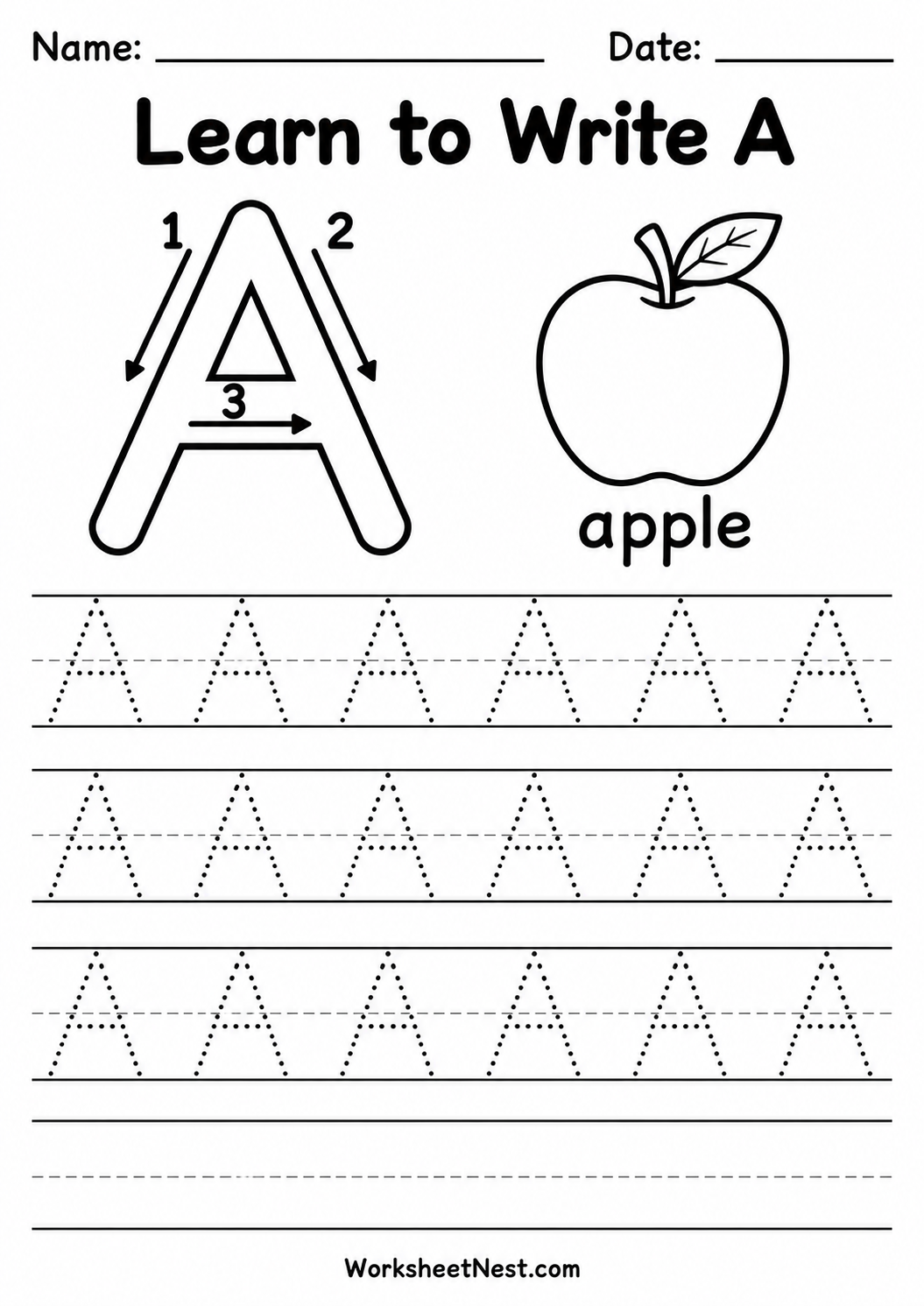
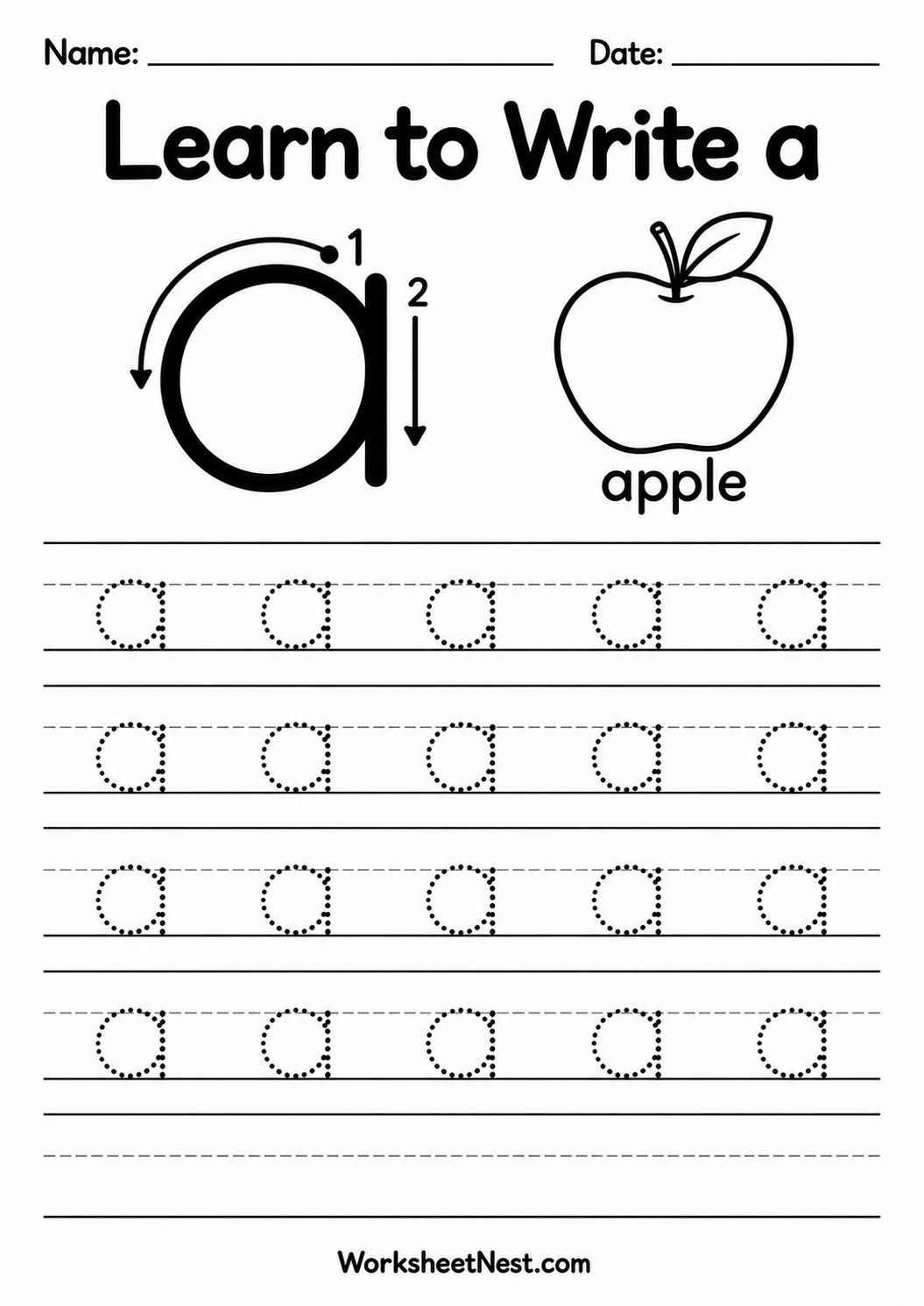
Worksheet 4: Learn to Write A
Worksheet 5: Learn to Write a
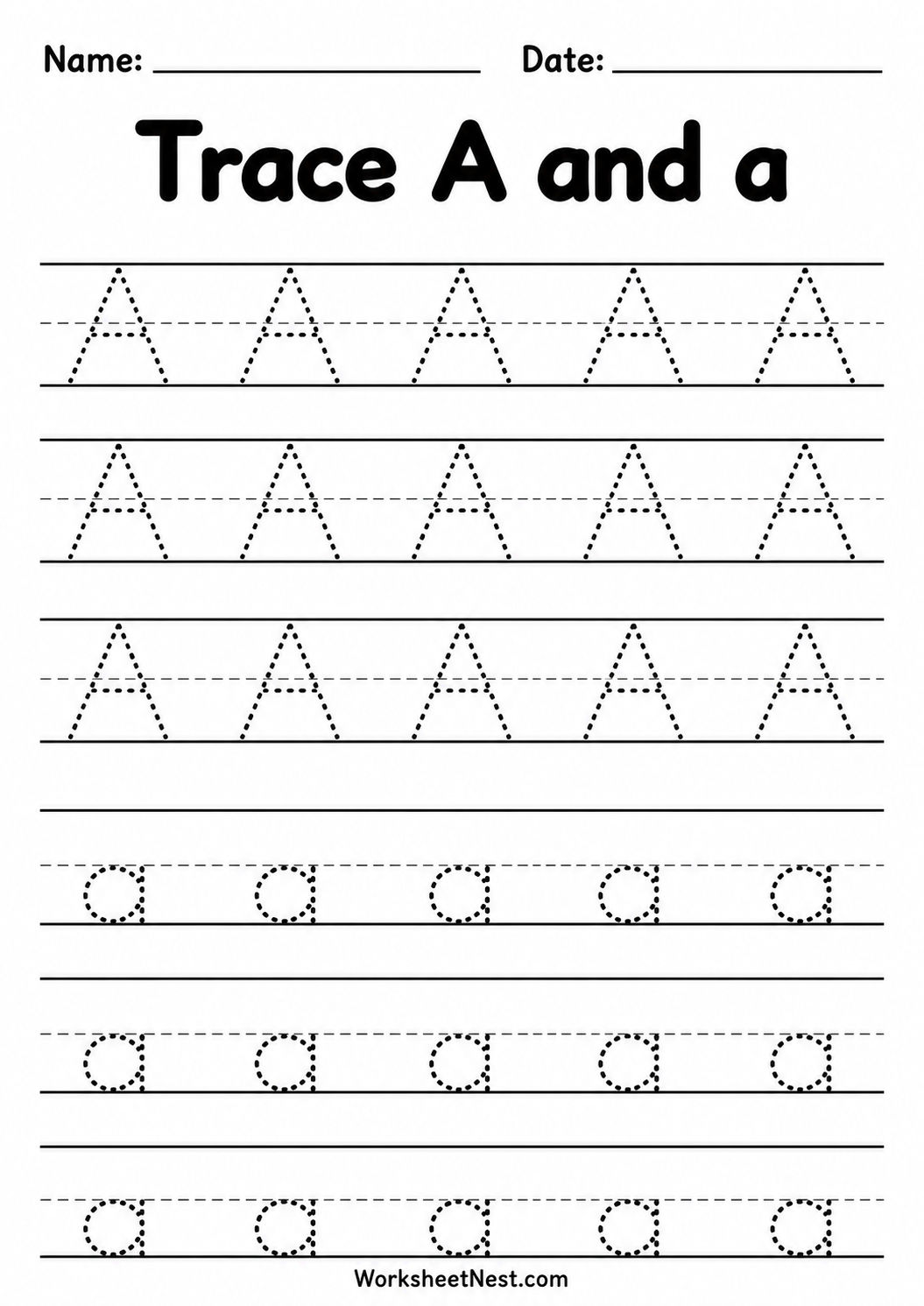
Worksheet 6: Trace A and a
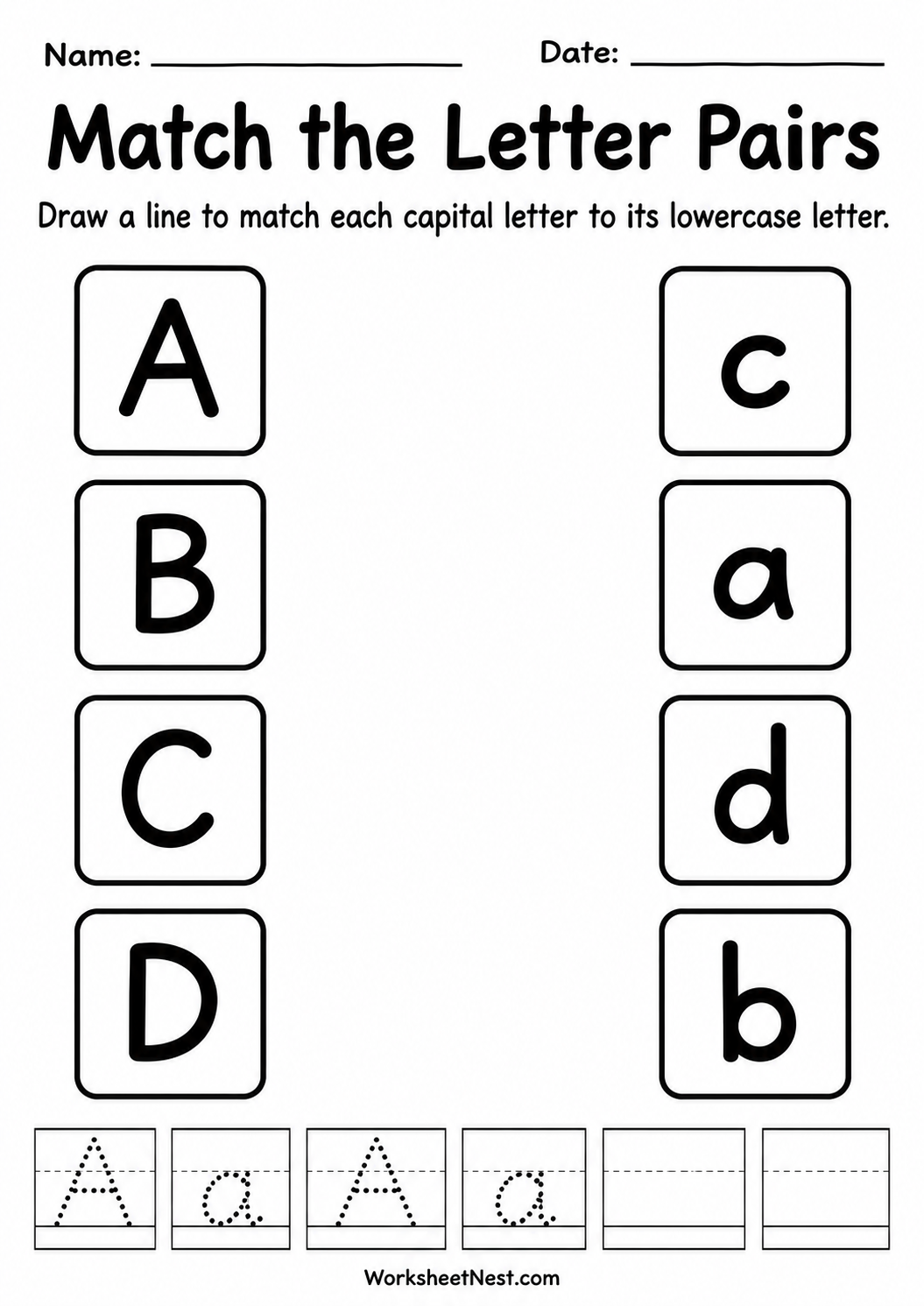
Worksheet 7: Match the Letter Pairs
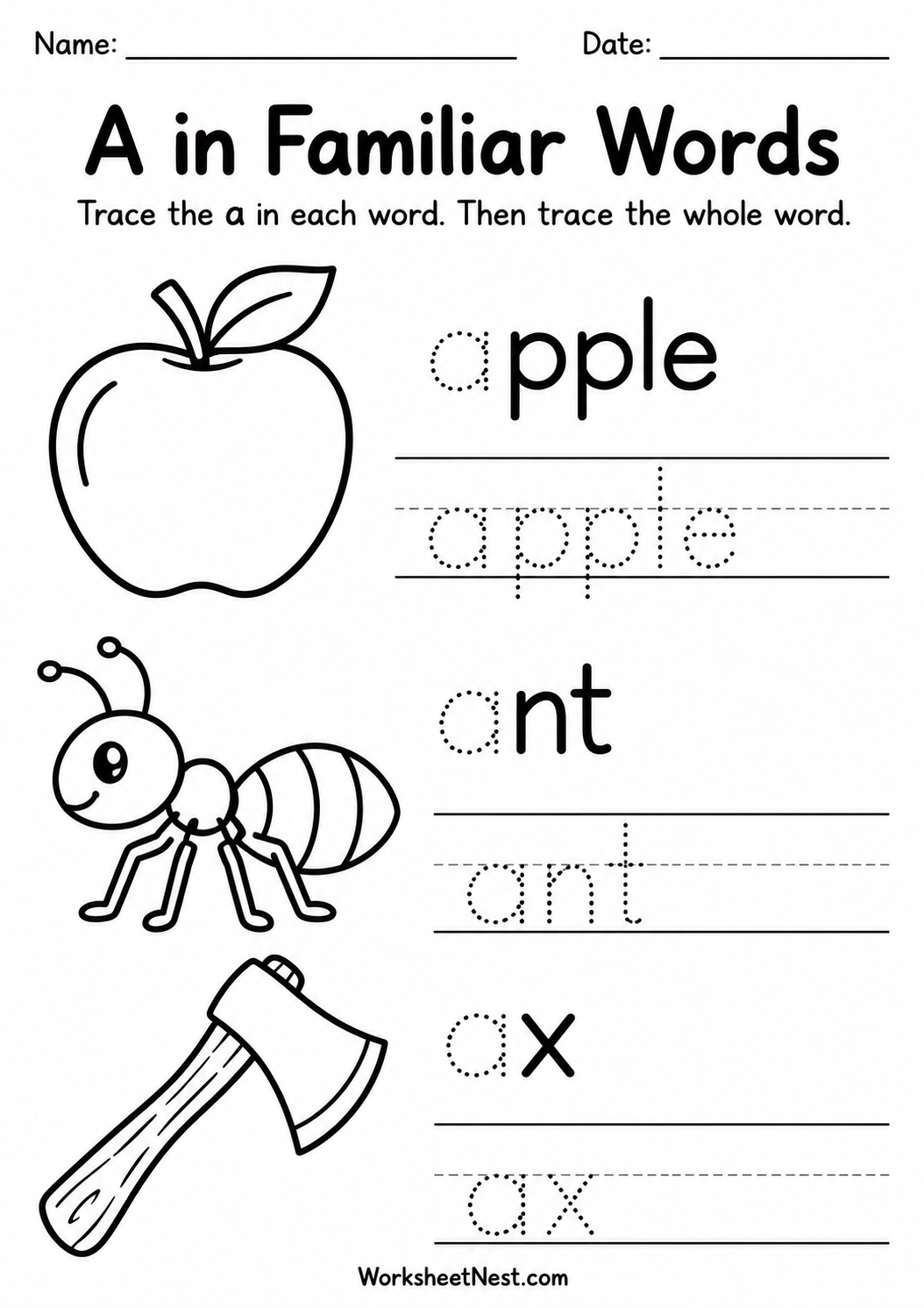
Worksheet 8: A in Familiar Words
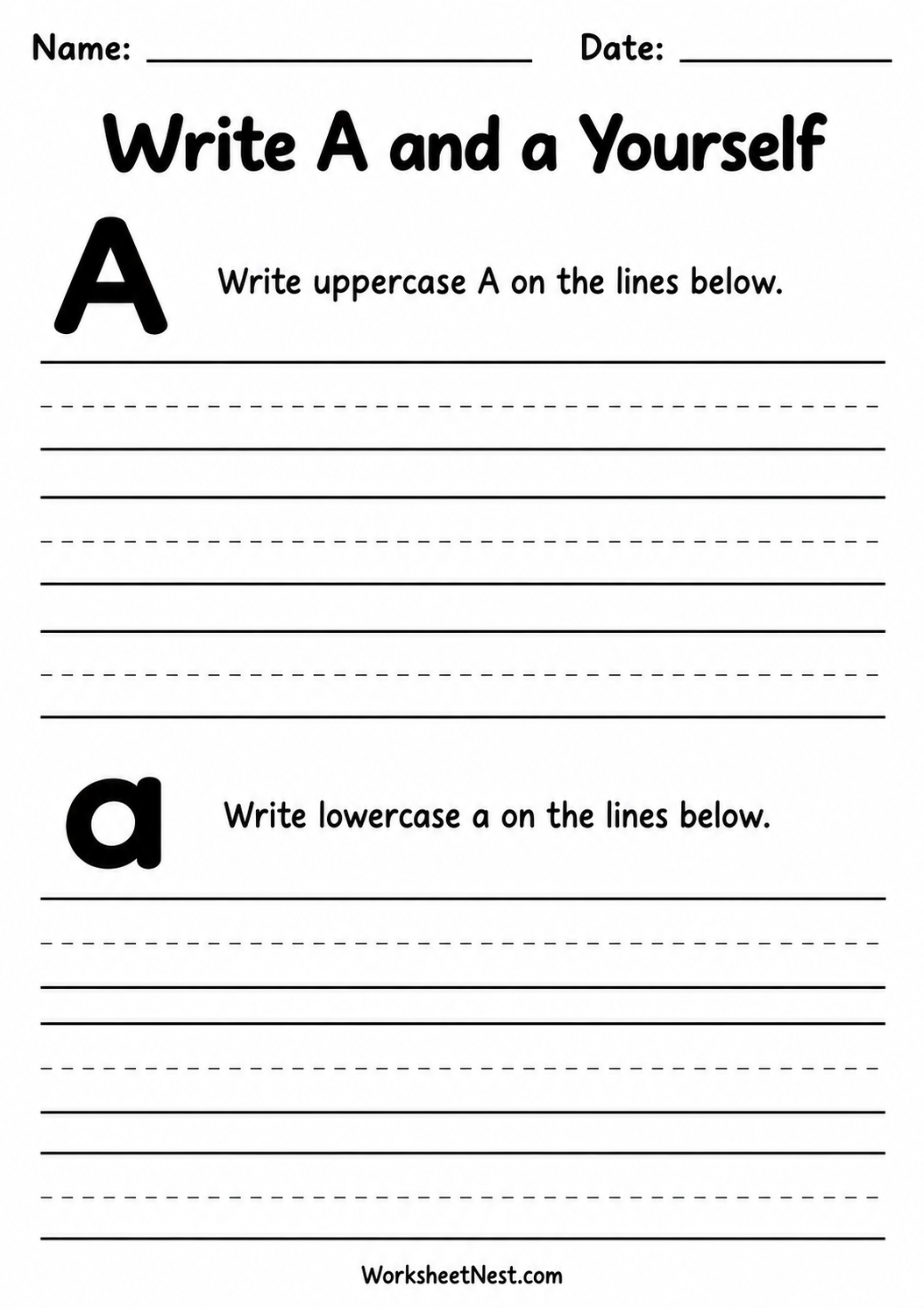
Worksheet 9: Write A and a Yourself
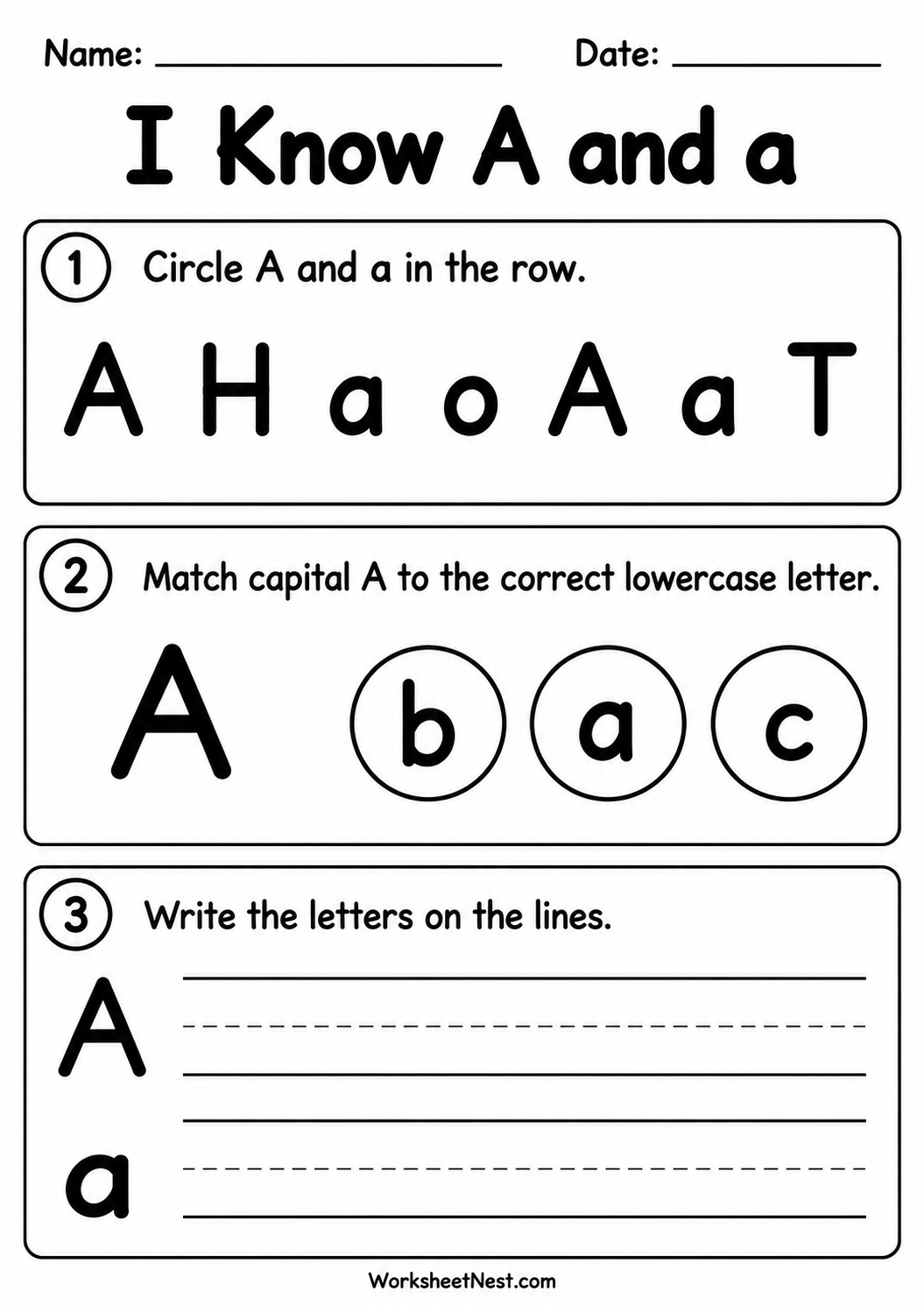
Worksheet 10: I Know A and a
Download the Complete Bundle
Get all ten Letter A worksheets plus the cover in one 11-page PDF. The PDF has eleven A4 portrait pages in total, one cover followed by the ten worksheets. The activity pages have white backgrounds and black outlines, and the colorful cover can be left out when printing practice pages.How to Use the Letter A Tracing Worksheets
Begin by showing the child both letter forms. Say the letter name, point to capital A, and then point to lowercase a. Ask the child to find the same shapes on the coloring page before starting pencil work. Naming the pictures together also gives you a simple way to introduce the short a sound in apple and ant. Knowing a letter means being able to say its name and recognize its shape in both capital and lowercase forms, as described in Reading Rockets’ Basics: Alphabet Knowledge.Model the Movement First
On the capital formation page, follow the numbered arrows: make the two sloping strokes and then the line across the middle. Use the lowercase model on its own page so the child sees how its curved shape differs. Trace a large model with a finger before trying the dotted rows with a pencil. Keep the model visible while the child practices.Move from Tracing to Writing
Try a few letters together, then let the child complete a small part independently. If a letter becomes hard to form, return to the large example and look at the starting point again. The independent-writing page is useful when the child is ready to work without dots. Leave unfinished rows for another session rather than rushing through them.Keep Recognition and Writing Connected
Use the uppercase or lowercase hunt when the child needs a break from repeated pencil strokes. Ask what makes A different from H or what makes a different from o. On the matching page, explain that capital and small letters can have different shapes while sharing a letter name. This activity includes B, C, and D as well as A, so introduce those pairs if they are unfamiliar.Read the Picture Words Together
On the word page, name apple, ant, and ax before tracing. Point to the first a and say its short vowel sound. The printed spelling is ax; keep that spelling when referring to this worksheet. Children can practice tracing the words with adult help without being expected to read every word independently.Printing and Choosing Pages
Open the PDF in a PDF reader and select A4 portrait. Check print preview before printing, especially the writing lines and footer near the bottom. Use your printer’s fit option if any part would be clipped. For everyday practice, print the black-and-white worksheets and save the cover for a booklet. Start with one page and adjust the amount of work to the child’s attention and comfort.Common Core Connections
This collection gives partial practice with one letter, A and a, through tracing, recognition, and matching. It is a step toward, not completion of, the kindergarten standards below. Kindergarten RF.K.1.d: Recognize and name all upper-and lowercase letters of the alphabet. In this collection, Worksheets 1, 2, 3, 7, and 10 support recognition and naming. Kindergarten L.K.1.a: Print many upper-and lowercase letters. In this collection, Worksheets 4, 5, 6, and 9 support printing A and a. For preschool, use this collection for general letter recognition and fine-motor practice.Quick Questions
Does this collection include both capital and small letters?
Yes. It includes separate formation pages for A and a, shared tracing practice, and independent writing for both forms.Are all eleven pages worksheets?
No. There are ten activity worksheets plus one colorful cover.Can I use a single page instead of the whole booklet?
Yes. Select the page for the skill you want to practice, such as recognizing lowercase a or writing capital A without tracing dots.
License and Terms of Use
Free for personal, homeschool, and classroom use; do not sell, re-upload, or redistribute